By Tamaryn da Ponte, Esq., Lex Tecnica & Immigration Help USA Lawyer
For many immigrants, obtaining lawful permanent residence feels like the conclusion of a long and difficult journey. Years later, after renewing a green card, building a career, raising a family, and establishing deep roots in the United States, applying for U.S. citizenship often seems like the final step.
What many people do not realize, however, is that the naturalization process is not simply a review of recent history. It can become a comprehensive examination of an individual’s entire immigration record, including documents submitted decades earlier. As a result, problems that have remained undetected for years can suddenly reemerge with significant consequences.
The USCIS Naturalization Review Is More Than a Citizenship Application
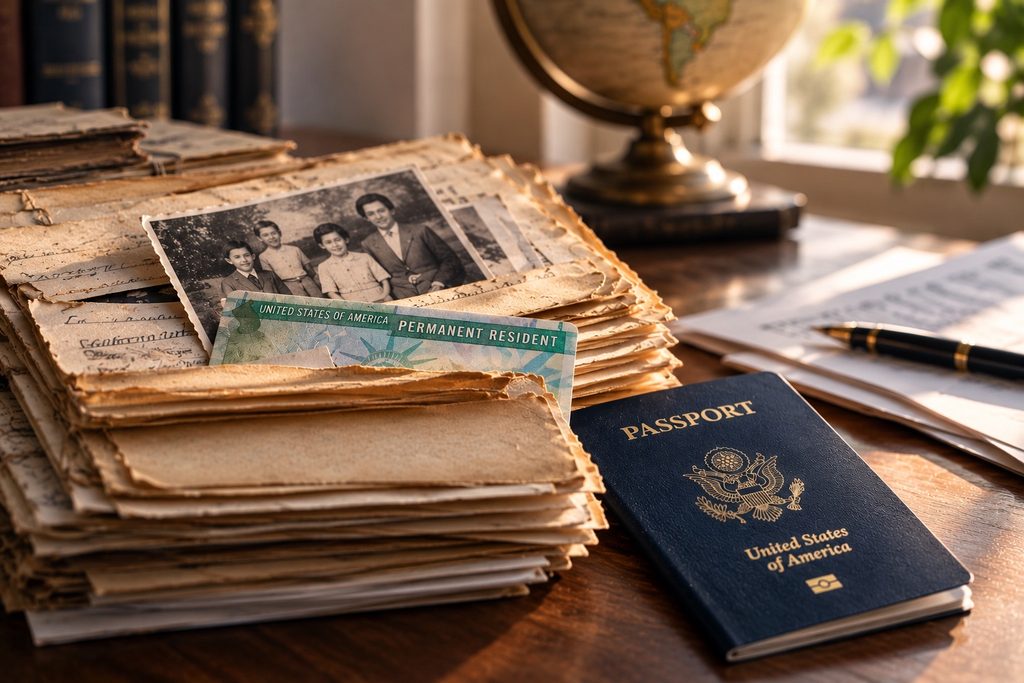
A common misconception is that once an immigration benefit has been approved, the underlying documentation has been permanently accepted and validated. In reality, the naturalization process frequently involves a fresh review of the applicant’s path to lawful permanent residence.
During this review, USCIS may revisit marriage records, divorce decrees, birth certificates, court documents, and other foreign records that were used to establish eligibility for prior immigration benefits.
Foreign Documents Present Unique Challenges
Many immigrants come from countries where legal systems function very differently from those in the United States. Procedures involving marriage, divorce, inheritance, adoptions, and court proceedings can vary dramatically from one jurisdiction to another.
A document may appear official, carry seals or signatures, and even be widely accepted locally while still containing defects that create immigration complications.
The Consequences Can Reach Far Beyond One Application
When USCIS determines that a key document used in an earlier immigration proceeding was fraudulent, counterfeit, or improperly issued, the consequences often extend beyond the pending application.
If a marriage-based green card was granted based on a divorce decree later determined to be invalid, USCIS may take the position that the subsequent marriage was not legally valid for immigration purposes. This can result in findings that permanent residence was improperly granted, regardless of how much time has passed since approval.
Why Good Faith Is Not Always Enough
One of the harsh realities of immigration law is that good-faith reliance on inaccurate information does not always prevent adverse consequences. Immigration authorities often focus on whether a benefit was legally available in the first place.
Increased Scrutiny in Today’s Environment
Recent years have seen heightened attention on document fraud and verification throughout the immigration system. Applicants should expect that supporting documents may receive closer examination during naturalization proceedings and other benefit requests.
Practical Steps to Protect Yourself
Verify important foreign documents directly with the issuing authority whenever possible. Obtain certified copies, confirm that marriages and divorces were completed according to local law, maintain supporting records, and address uncertainties before filing major immigration applications.
Final Thoughts
The immigration system relies heavily on documentation. A single document submitted years or even decades earlier can become the focal point of a future USCIS review. When questions arise regarding authenticity or legal validity, the consequences can extend far beyond one application and may affect entire families.
The lesson is simple: never assume that a foreign document is valid merely because it appears official or was previously accepted. Verification today can prevent devastating consequences tomorrow.